

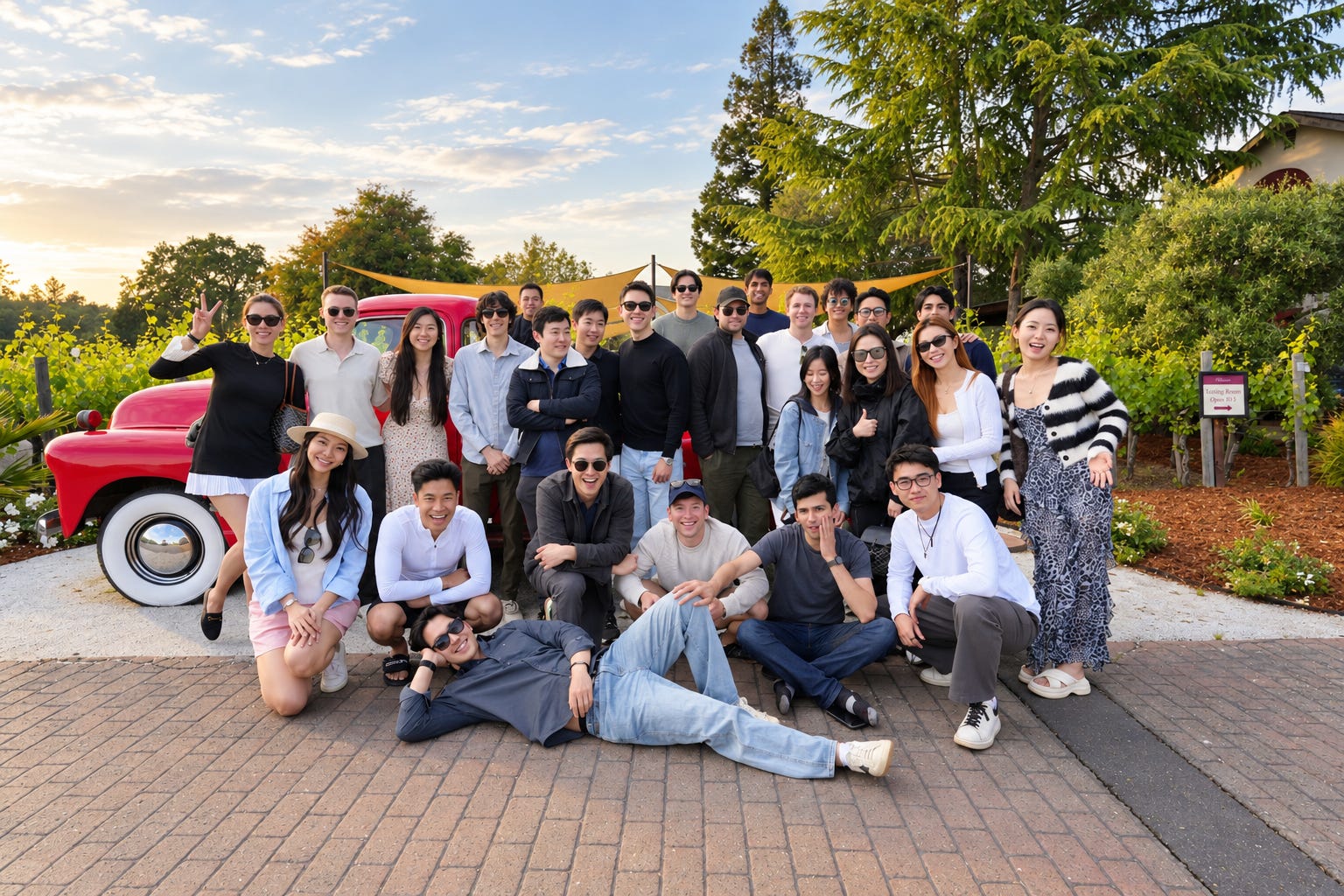
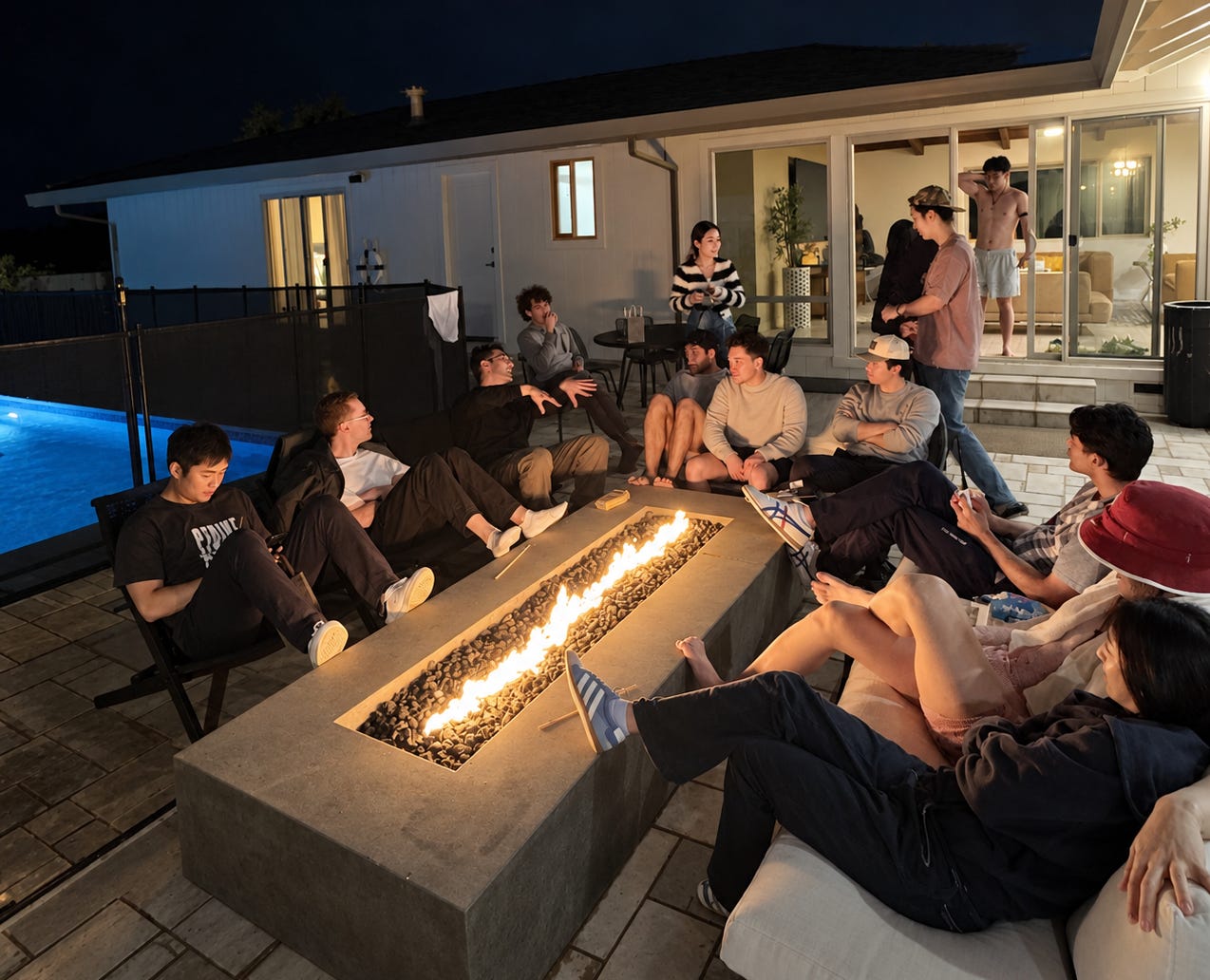
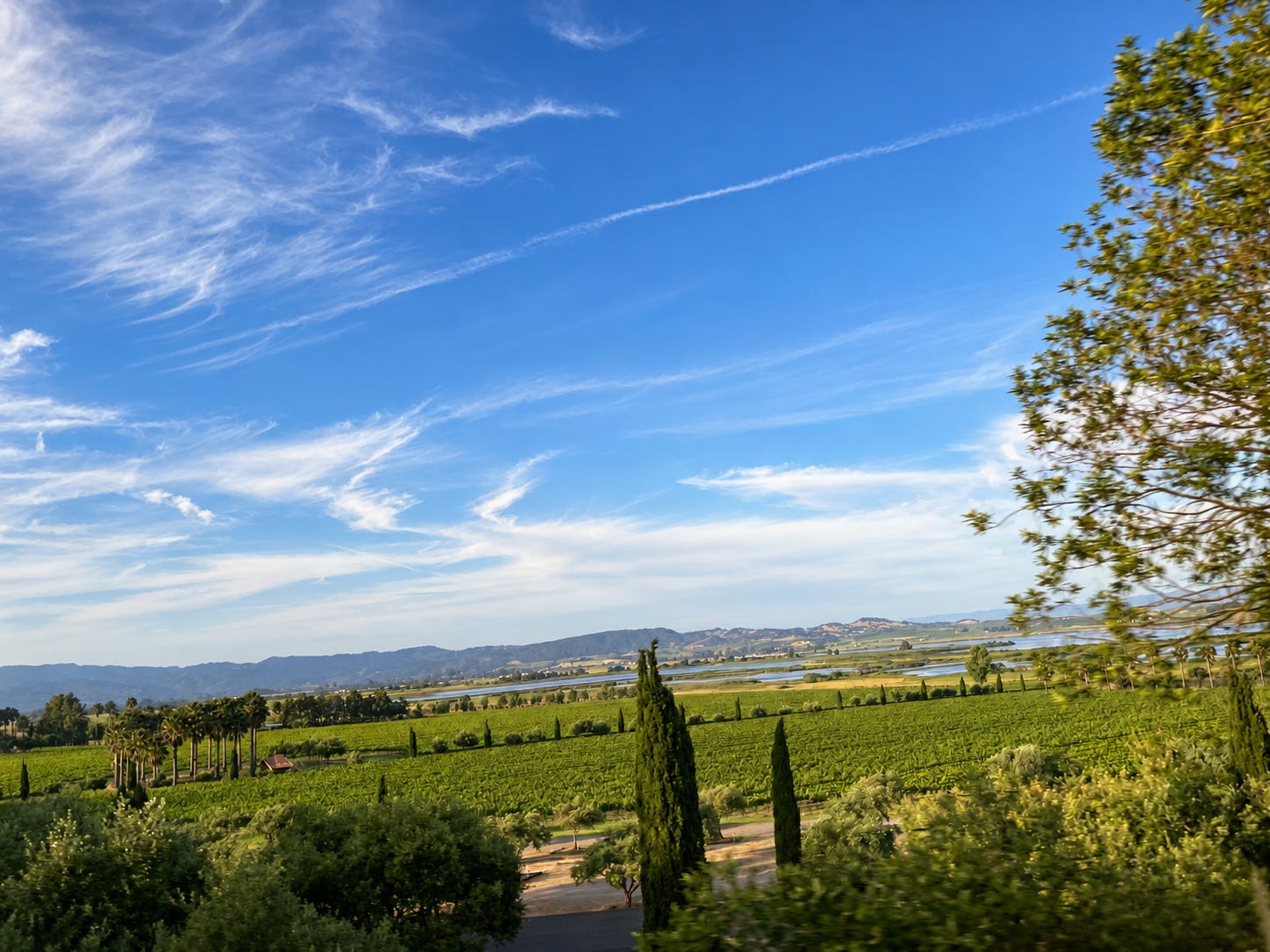
I recently gathered some of my closest friends in Napa for my thirtieth birthday. Okay, it was five months ago, but I’ve been procrastinating a bit with a lot of things going on in my life (founder mode!). People flew in from across the country, and I felt lucky that they were willing to spend their time, money, and energy to be there. All of us are around thirty, and several are on the verge of parenthood. But for one glorious weekend, we played middle school PE games (adult dodgeball), explored Napa, chatted late into the night around the fire, and sampled a lot of wine.
It’s the type of adventure that creates a lot of memories in a very short period of time. Our ordinary weeks tend to blur together, so I try to make room for experiences that will stand out. New places, slightly ridiculous activities, and time with the people I care about. The things that give life its flavor.
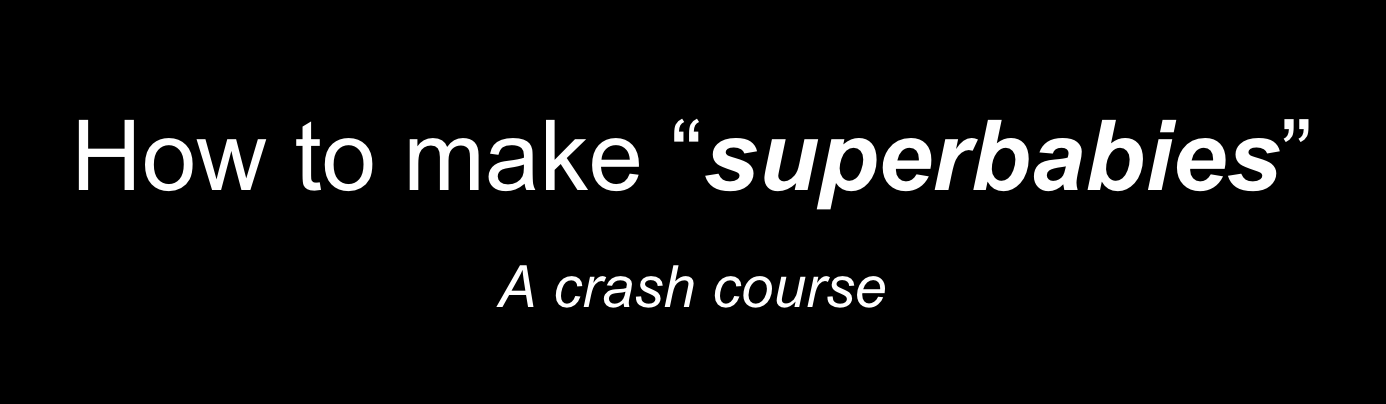
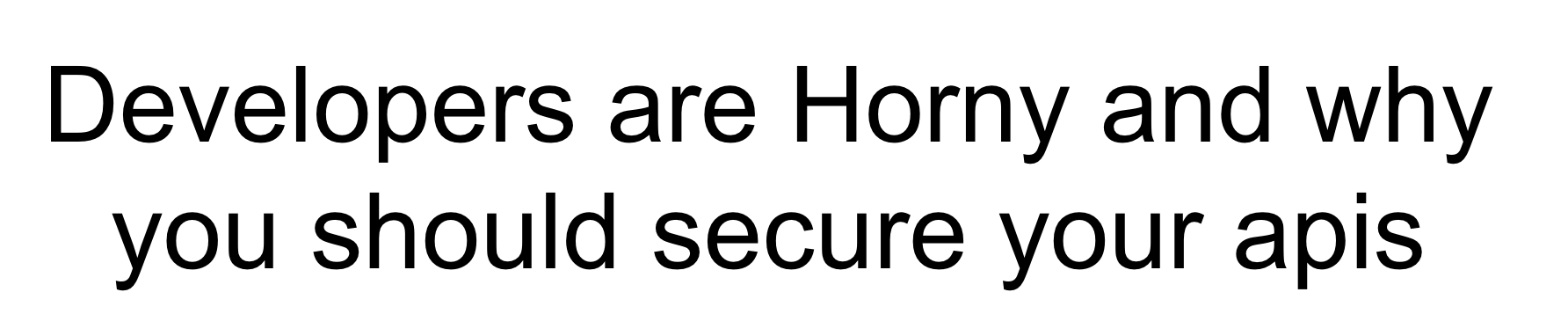
The memory that sticks with me most is from our cozy Airbnb movie theater. I asked everyone to give a short talk on something they had learned in their twenties. The stories ranged from the humorous—why your app users will always find a way to make anything sexual—to the very serious: deaths in the family, childhood trauma. And there was plenty in between, about yoga, breathing, and super babies.

I’d known some of these people for almost twenty years. But beyond hearing great stories, I felt a deep sense of pride in watching my friends grow up. We don’t see each other as often, so every time we get together, there’s a noticeable jump in their timeline. Someone has made a difficult decision, started something new, or come to understand themselves a little better. The opposite of schadenfreude, if there’s a word for that.
My talk was about courage. The word often reminds us of medieval battles and tests of physical strength, but the kinds of courage I’ve been thinking about are more personal. The courage to leave your job and chart a new path. To move cities. To tell someone how you feel. To take a chance on something or someone you care about without knowing how it will turn out.
I’ve had a lot of change this last year: moving cities, starting a company, changing industries, and building a lot of new relationships. Many of these were not easy decisions, let me tell you, but despite the doubt and mistakes along the way, I’m glad I took those chances.
Choices like these are part of why our paths have diverged so much by thirty. I don’t feel all that different from when I was twenty-five, except for a tad more wisdom and experience. But I look around and see friends living very different lives: world travelers, corporate warriors, parents, startup founders, pro gamers, MBA students, retired rich kids. For me, and for many people I knew in NYC, the path through our early twenties was well defined: get into a good college, find a good internship, get a good job in law/finance/tech/consulting. A lot of the structure was already set up for us.
Eventually, the questions became harder because there are no obvious next steps. Do I keep climbing the corporate ladder? Do I move cities, or pursue something I’m more excited about? How should I care for my family as they get older? How do I weigh money, time, relationships, location, and work when I can’t have everything at once?
The complexity and seriousness of the decisions scale with our maturity and ability to handle them.
You can spend years getting good at meeting expectations without much practice deciding what you want for yourself. Some people find a clear direction early on. For the rest of us, it takes time. Five years ago, I couldn’t imagine moving to LA and then SF and then bi-coastal with NYC to study nasal anatomy for my startup. At thirty, the questions haven’t gone away, but I have more experience to draw on when I face them. And increasingly, those decisions involve more than myself.
I’ve written about career choices through my own journey and through the lens of poker. But some of the most personal lessons of my twenties have come from relationships.
A lot of what I value in any relationship, friendly or romantic, is still pretty simple: being able to laugh together, to trust and support one another, to help each other grow, and to get so absorbed in good conversation that you lose track of time. I like being able to do very little and still feel like I’ve had a good time. The ability to make the tedious enjoyable. But finding the right people and building that foundation takes work. It’s part of why Napa felt special even when we were just cooking or driving or hanging about. It’s because we have that shared foundation and trust that we can be free about everything else.
But the relationship questions that I hear from my friends have also gotten more serious. Do we want kids? Where do we want to live? What happens when one person’s career pulls them somewhere the other doesn’t want to go? How do we support each other when life gets difficult? These questions can be hard precisely because we care about each other, and the answers carry important tradeoffs about what we want out of life.
I’ve had friends divorce by thirty, and others end relationships that lasted five or even eight years. I’ve also watched friends work through difficult periods and find a better way to show up for each other. From the outside, we usually see only a small part of what goes into a relationship. Some choices require the courage to make a significant change; others require patience, honesty, and a willingness to change our own behavior. There isn’t an age at which the right answer suddenly becomes obvious. For me, the hardest part has been learning to face my own demons and letting the people I love find their own way.
Those conversations also reveal how much can sit beneath the surface. An argument that seems small at first may touch something important: about feeling heard, trusted, or independent. Part of growing up has been learning to look beyond the immediate disagreement, ask the right questions, and really try to empathize with one another.
I’ve also had to get to know my own reactions better. I rarely feel anxious at work, but relationships can bring out an anxiety I believe stems from my childhood relationship with my grandma. Some of it comes from wanting to feel wanted, and when conflict happens I can overthink, spiral, and turn that anxiety into frustration. Recently I’ve been approaching this in an almost Buddhist way: pausing before I respond, staying in the present, and letting thoughts and feelings come and go rather than getting lost in what something might mean. I’m learning to feel what I need to feel without taking it out on the other person, and to focus on my own actions rather than trying to control how things turn out. I don’t always get it right. But being willing to see those flaws in myself—and work on them—is its own small kind of courage.
I’ve also learned to appreciate how my path has crossed with people important to me, whether we’ve known each other for a few months or almost twenty years. And like a river, we may flow together or flow apart eventually, but I don’t need to know exactly what comes next to value what we share now.
Another reminder came over drinks with one of my best friends in Brooklyn. He wants kids by thirty-five, partly so he’ll still have plenty of time to hang out with his grandkids. If you have kids at forty, and your kids have kids at forty… well, you can do the math. He’s thirty-two now, and figures he’d want at least a year with someone before they could decide together about marriage. Work backward from thirty-five, and finding a partner starts to feel pretty pressing. I’ve been thinking about kids on a later timeline, with much of my attention on my startup right now. But hearing him walk through it helped me understand why something that feels distant to me feels urgent to him.
That conversation made me appreciate the privilege and pleasure of my own twenties: time I could spend more or less how I wanted, relatively few responsibilities, and health I could mostly take for granted. I could “waste” an afternoon without much consequence. At my job, someone else would usually double-check my work. Decisions about kids felt far away. I didn’t fully appreciate how much freedom there was in that combination.
When I was in college, I remember my mentors lamenting that they didn’t have enough hours in the day. I’m starting to understand what they meant. My days are fuller now because more people are affected by the decisions I make. Teammates depend on me, my parents are getting older, and investors are financially invested in my success. Even keeping myself healthy and energetic takes more deliberate effort. It’s harder to find spare time when the things filling it all matter.
Time is a more pressing constraint.
But in a weird way, I like the seriousness of my life now. There’s something satisfying about having real responsibilities and consequences. At work, people count on me to make decisions and follow through. With my family, I feel more capable of taking care of them when the time comes, and more appreciative of the time we have now. I want to be emotionally available for the people I care about and support them how they want to be supported. Call it my ego, but I like being someone people can count on.
And I think that’s why the Napa trip meant so much to me. In college, we had spring break, summer, and all sorts of built-in chances to spend time together. Getting everyone in one place takes more coordination now. They had work, relationships, and responsibilities waiting for them at home. Yet they still chose to come spend a weekend together. As our paths diverge, I appreciate more what it takes to bring them back together, even for a few days.
I’m sure my perspective on time, responsibility, and decision-making will change again. For now, I’m enjoying building something of my own and taking all the ups and downs as they come. There’s a seriousness to that which I didn’t have at twenty-five. I like it. But I hope we still keep making time to get everyone together for dodgeball.